Breach of Contract Damages When the Other Side Declares Bankruptcy
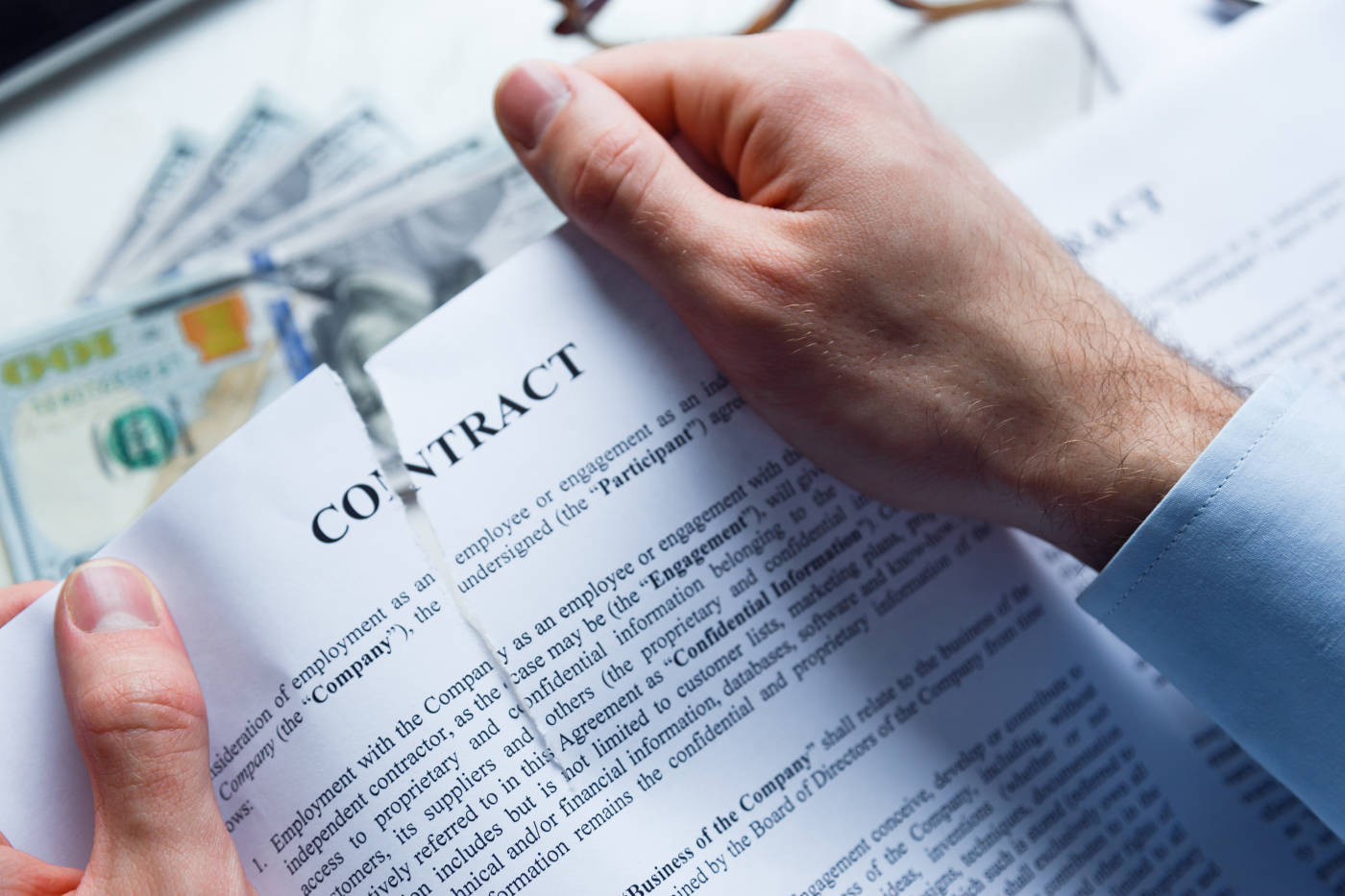
When a business deal falls apart, it can feel deeply personal and financially stressful. You could have spent months or years building a relationship, negotiating terms, and planning for the future based on a signed agreement. Then, suddenly, the other side files for bankruptcy, and everything changes.
Questions about lost revenue, unpaid invoices, and what happens next can weigh heavily on you. It’s normal to feel frustrated, confused, or even betrayed when a contract you relied on becomes uncertain because of bankruptcy.
At Murrelle, Hughes & Majstoravich, P.A., we’ve seen how disruptive these situations can be for individuals and businesses alike. If you’re facing a breach of contract while the other party is in bankruptcy, you’re likely wondering what damages you can recover and how to protect your interests moving forward.
Our firm works with clients in Morehead City, North Carolina, and the surrounding communities to pursue practical solutions and protect their rights. If you’re dealing with unpaid obligations or broken agreements tied to bankruptcy, reach out to us today to discuss your options.
When someone files for bankruptcy, an automatic stay typically goes into effect. This stay pauses most collection actions and lawsuits against the debtor, including breach-of-contract claims. If you were planning to sue for damages or were already in litigation, you could be required to stop those efforts until the bankruptcy court allows the matter to proceed.
Not all contracts are treated the same in bankruptcy. Some agreements are considered “executory contracts,” meaning both sides still have obligations to perform. In those cases, the debtor or trustee chooses to either assume or reject the contract.
If the contract is assumed, the debtor must continue performing and needs to cure past defaults. If it’s rejected, that rejection is typically treated as a breach of contract. A rejection can leave you with a claim for damages, but that claim often becomes part of the bankruptcy process. Instead of pursuing a traditional lawsuit, you need to file a proof of claim in the bankruptcy case.
This can limit how and when you recover money, especially if the debtor has limited assets. Working with an experienced bankruptcy lawyer can help you evaluate how bankruptcy affects your contract and what steps to take next.
When a contract is breached due to bankruptcy, you still have the right to seek damages. However, the type and amount of damages you can recover often depend on bankruptcy laws and the specific terms of the contract. While every case is different, there are several categories of damages that apply.
It’s important to note that bankruptcy can change how damages are calculated and prioritized. Some claims are treated as unsecured debts, which can affect the likelihood of full repayment. Even so, documenting your losses and filing the appropriate claims can help protect your financial interests.
Direct damages: These are losses that naturally result from the breach of contract. Examples include unpaid invoices, costs for goods delivered, or services already performed.
Consequential damages: These damages stem from the ripple effects of the breach. Claim lost profits or additional expenses caused by the other party’s failure to perform.
Administrative expense claims: If you provided goods or services after the bankruptcy filing, you could qualify for an administrative expense claim. These claims can have higher priority in repayment compared to older debts.
Mitigation-related costs: If you took steps to reduce your losses after the breach, you can recover reasonable expenses tied to those efforts. Courts often expect parties to try to limit their damages where possible.
If the other party declares bankruptcy after breaching a contract, you’ll likely need to file a proof of claim with the bankruptcy court. This document outlines the amount you believe you’re owed and the basis for your claim. Missing deadlines or submitting incomplete information can affect your ability to recover damages.
These categories show that bankruptcy doesn’t automatically eliminate your ability to seek compensation. However, the process is often different from a typical contract dispute. Filing timely claims and presenting accurate documentation can make a significant difference in how your case is handled.
If you’re dealing with a breach of contract tied to bankruptcy, there are practical steps you can take to protect yourself. Acting promptly and staying organized can help you maintain your rights and position in the process.
Before reviewing the list below, remember that each situation is unique. Your options may depend on the type of contract, the stage of the bankruptcy case, and the financial condition of the debtor. Taking early action can help you preserve your claim and avoid missed opportunities. The steps you should take are:
Review the contract carefully: Look for provisions related to default, termination, and damages. These terms can affect how your claim is treated in bankruptcy.
Document your losses: Keep detailed records of unpaid amounts, additional expenses, and efforts to mitigate damages. Clear documentation can support your claim and strengthen your position.
Monitor bankruptcy filings: Pay attention to deadlines for filing proofs of claim or objections. Missing a deadline can limit your ability to recover damages.
Communicate with counsel: An experienced lawyer can help you evaluate your options and respond to developments in the case. Legal guidance can be especially helpful if the debtor seeks to assume or reject the contract.
Taking these steps can help you stay informed and proactive. While bankruptcy can complicate contract disputes, it doesn’t eliminate your rights entirely. Careful planning and timely action can make a meaningful difference in how your claim is handled.
When the other side declares bankruptcy after breaching a contract, it’s easy to feel overwhelmed and uncertain about what comes next. You will be worried about unpaid invoices, disrupted operations, or how the bankruptcy process will affect your ability to recover damages. These concerns are valid, and you can find guidance that takes your situation seriously.
At Murrelle, Hughes & Majstoravich, P.A., we work with individuals and businesses facing contract disputes arising from bankruptcy. Our attorneys assist clients in Morehead City, North Carolina, and the surrounding communities.
We help people by evaluating their claims, explaining their options, and pursuing compensation where possible. Bankruptcy can be stressful, but you don’t have to handle it without support. Reach out to us today to talk about your situation and explore your next steps.